
GYEON Leather Shield Leather Coating is my top pick for most buyers because it offers broad protection against dye transfer, stains, and daily wear. It earns the title of best leather ceramic coating for its leather-focused formula and low-effort application. The coating is designed for automotive leather, synthetic leather, and similar interior surfaces, so it fits more vehicles than a product made for one material alone.
This guide is for drivers protecting new upholstery, refreshing older seats, or comparing coatings before buying. The key factors are material compatibility, coverage per bottle, curing time, and the finish left behind. A good leather protector should not make seats greasy, glossy, or slippery. The 6 picks below are ranked with clear reasons and honest drawbacks for each, so you can match the formula to your interior and budget.
Quick Comparison
| # | Product | Best For | Price | |
|---|---|---|---|---|
| 1 | GYEON Leather Shield Leather Coating | Daily-Driven Leather Interior Owners | ~$60 | View → |
| 2 | Chemical Guys HydroLeather Ceramic Leather Coating | Hydrophobic Leather Finish Seekers | ~$25 | View → |
| 3 | CARPRO CQUARTZ Leather 2.0 Leather Coating | Long-Term Leather Protection Buyers | ~$68 | View → |
| 4 | Gyeon Leather Shield EVO Leather Coating | Luxury Vehicle Interior Care | ~$31 | View → |
| 5 | TesLux Ceramic Coating for Tesla Models 3/Y/S/X | Tesla Model 3/Y Owners | ~$30 | View → |
| 6 | Gyeon Leather Set Strong Leather Cleaner Kit | Heavily Soiled Leather Cleaning Needs | ~$48 | View → |
6 Top Leather Coating Picks
This ranked list counts down from solid choices to the top leather coating for different budgets and vehicle needs.
6. Gyeon Leather Set Strong Leather Cleaner Kit

Best for: DIY car leather protection and upkeep
Gyeon Leather Set Strong combines a heavy-duty leather cleaner with a ceramic coating for vehicle interiors. The cleaner targets embedded grime and oily residue before the coating goes on. The kit includes a foam dispenser, Brush Strong, a foam applicator, microfiber towel, and supporting tools. At around $48, it costs more than a basic bottle of interior cleaner, but it covers both preparation and protection in one package.
The coating adds water-repellent protection against stains, UV fading, and daily wear. It also helps repel oils and liquids, so later cleaning requires only a soft, damp towel. The finish aims to keep leather looking clean and matte rather than glossy or greasy. Application is fairly direct: work the cleaner in circular motions, wipe away residue, then spread the coating evenly with the applicator. The product does not include a stated protection duration, so results will depend on use, surface condition, and care after application.
Pros
- Includes the main cleaning and coating tools, including a brush, foam applicator, dispenser, and microfiber towel.
- Ceramic protection helps resist stains, UV fading, liquids, oils, and normal wear.
- Post-treatment care is simple, with a soft damp towel and no leather conditioner required.
Cons
- The strong cleaner may require extra care on delicate, heavily worn, or previously repaired leather.
- Around $48 is a high upfront cost for buyers who only need occasional spot cleaning.
5. TesLux Ceramic Coating for Tesla Models 3/Y/S/X

Best for: Tesla owners protecting vegan-leather seats
TesLux is a 10-ounce ceramic coating made for the vegan leather found in Tesla Model 3, Model Y, Model S, and Model X interiors. Applied to clean, dry surfaces, it forms a thin protective layer over seats and other trim. The coating is designed to reduce marks from regular entry, exit, and seat friction, while helping block body oils, lotion, sunscreen, food spills, clothing dye, and pet messes.
Its main appeal is broad daily-use protection in one bottle. The formula includes UV inhibitors, which may help limit fading, cracking, and aging, especially under Tesla’s large glass roofs. It also aims to preserve the factory texture and color instead of leaving the material glossy or altered. At around $30, the 10-ounce size costs more than a basic interior cleaner, but it offers a preventive treatment rather than a simple surface wipe. Buyers should keep expectations realistic. A coating can reduce absorption and wear, but it cannot restore cracked, stained, or already faded upholstery.
Pros
- Made specifically for Tesla’s vegan-leather interior materials across four model lines.
- Helps repel common contaminants, including sunscreen, oils, food, dye, and pet messes.
- UV inhibitors target sun-related fading, cracking, and premature aging.
Cons
- Proper cleaning and careful application are required before the coating can work well.
- The product does not repair existing stains, cracks, discoloration, or worn upholstery.
4. Gyeon Leather Shield EVO Leather Coating
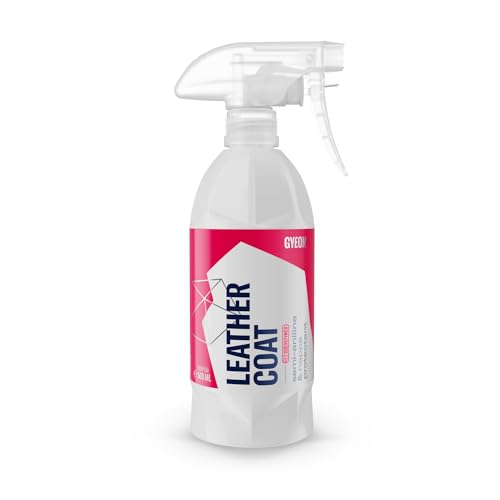
Best for: Leather interiors exposed to sun
Gyeon Leather Shield EVO is a ceramic coating for automotive leather. Applied with a microfiber cloth, it leaves a thin protective layer without adding a glossy finish or changing the leather’s soft, factory-like feel. The coating helps repel water, sweat, and dirt, so everyday marks should be less likely to settle into the surface. It costs around $31, though pricing can change.
Its strongest feature is broad interior protection in one wipe. The formula helps limit UV fading and heat-related wear, which matters for vehicles parked outdoors or used in hot climates. It also reduces dye transfer from jeans and other clothing, while making fresh marks easier to remove. One application can last up to three months under regular use. That is useful for owners who want fewer maintenance sessions, but the coating is still a protective treatment, not a replacement for routine cleaning. It is designed for leather surfaces, so buyers should confirm compatibility before using it on coated, synthetic, or mixed-material upholstery.
Pros
- Helps repel water, sweat, and dirt without creating a glossy finish.
- Provides UV and heat protection for sun-exposed leather interiors.
- Makes clothing dye transfer and everyday marks easier to clean.
Cons
- Protection lasts up to three months, so regular reapplication remains necessary.
- It will not remove existing stains, repair damaged leather, or replace normal cleaning.
3. CARPRO CQUARTZ Leather 2.0 Leather Coating

Best for: Professional leather detailers protecting vehicle interiors
The CARPRO CQUARTZ Leather 2.0 is a protective coating for automotive leather and vinyl. Its 30 ml bottle covers interior surfaces with a clear layer designed to resist dye transfer, stains, chemicals, water, and oils. It also helps limit UV-related fading, which matters on black seats, light-colored trim, and frequently used door panels.
CARPRO lists expected durability at one to two years, though surface condition, cleaning habits, and installation quality affect that figure. The kit includes one 30 ml coating bottle, an applicator block, and two hologram stickers. At around $68, it costs more than a basic leather conditioner, but it offers longer-term protection rather than temporary conditioning. The coating can also make routine cleanup easier when spills or body oils reach the treated surface. This is a professional-use product, not a casual wipe-on protectant.
Pros
- Resists dye transfer from dark clothing and upholstery.
- Repels water and oils, helping reduce stain buildup.
- UV and chemical resistance can help preserve leather color.
Cons
- The professional-use warning makes it a poor choice for inexperienced DIY users.
- Weak-dye leather can suffer damage or staining during preparation or application.
2. Chemical Guys HydroLeather Ceramic Leather Coating

Best for: Protecting car seats and leather gear
Chemical Guys HydroLeather is a spray-on ceramic coating for leather surfaces. The 16-ounce bottle is designed for vehicle seats, dashboards, jackets, shoes, boots, purses, and leather furniture. It creates a flexible protective layer that helps resist dirt, weather exposure, and discoloration. At around $25, it costs more than a basic leather conditioner, but one bottle can cover several types of leather items.
Its main advantage is the finish. Once dry, the coating should feel smooth and dry instead of greasy, oily, slippery, or stiff. It also aims to preserve leather’s natural softness by helping reduce oil loss from the surface. That makes it a good choice for drivers who want protection without changing the factory appearance or texture. Still, this is a protective spray, not a complete leather-cleaning system. Dirty or neglected surfaces may need separate care before application.
Pros
- 16-ounce size works for car interiors and household leather items.
- Dry finish avoids a greasy or slippery surface feel.
- Flexible coating helps resist dirt, weather exposure, and discoloration.
Cons
- It does not replace a dedicated leather cleaner for removing built-up grime.
- The product information does not state coverage area or how long protection lasts.
1. GYEON Leather Shield Leather Coating

Best for: White leather car seat owners
Leather Shield EVO is a single-layer ceramic coating for modern automotive leather and upholstery. It creates a clear protective film without changing the material’s natural look or feel. The coating helps guard against dye transfer, stains, dirt, and UV-related fading. That makes it especially appealing for white Tesla seats, where blue jeans and sunlight can leave visible marks. At around $60, it costs more than a basic leather protectant but targets several common interior problems at once.
Application is straightforward for a DIY interior project, but surface preparation matters. GYEON requires its Leather Cleaner before use, since ordinary wipes may contain oils, sealants, or lubricants that interfere with the coating. One layer covers the intended surface, and the same formula can also be used on leather shoes, purses, and home furnishings. The main advantage is the low-impact finish. It should not leave the glossy, slick surface that some conditioners create. Still, it is a protective coating, not a repair product. Scratches, cracked leather, and existing stains need attention first.
Pros
- Helps reduce dye transfer and staining on leather seats.
- Adds UV protection against fading and discoloration.
- Single-layer application suits DIY interior care.
Cons
- Requires GYEON Leather Cleaner for proper preparation.
- Around $60, it costs more than basic leather cleaners or conditioners.
Buying Guide
The most important factor is leather compatibility, because the wrong coating can leave seats tacky, cloudy, or discolored. Choose a product made for coated automotive leather, not a general paint or plastic protectant.
- Leather compatibility: Look for clear approval on polyurethane-coated leather, which covers most modern car interiors. Avoid aniline, suede, or perforated leather unless the label names them.
- Cure time: Choose directions that state a dry and cure window, usually 12 to 24 hours. The instructions should also give a temperature range, such as 60 to 80°F.
- Coverage: Compare the stated coverage with your interior size. A 30 to 50 mL bottle may suit seats only, while a full cabin can require 100 mL or more.
- Finish and feel: Pick matte or satin based on the factory look. After curing, the surface should feel dry, not oily or sticky. Test a hidden 2-by-2-inch area first.
- Kit contents and cost: A useful kit includes an applicator, suede cloths, and prep cleaner. Expect to pay about $25 to $80, with higher prices justified by larger bottles or included prep supplies.
If you cannot have everything, prioritize proven compatibility and a small hidden-area test before coverage or extras.
Frequently Asked Questions
How does a ceramic coating for leather work?
A leather ceramic coating forms a thin, water-repellent layer that helps shield finished leather from spills, oils, and light staining. Look for a product labeled for automotive or furniture leather, not suede, nubuck, or unfinished hides. Most formulas need a clean surface and about 12 to 24 hours of curing before use.
What should I look for in a leather coating?
Choose a formula with clear leather compatibility, low odor, simple application, and a stated cure time. A 30 to 50 milliliter bottle may cover one car interior seat set, but coverage varies with leather texture, product thickness, and the number of coats recommended.
Can ceramic protection damage leather?
It can damage leather when applied to incompatible surfaces or left unevenly, so check the label and test an unseen spot first. Avoid products that target glass, paint, or plastic only. Wait at least 24 hours after cleaning if the maker requires a dry, residue-free surface.
Are leather ceramic protectors better than conditioners?
They are better for water and stain resistance, while conditioners are better for restoring softness and reducing dryness. A coating does not replace regular care, and heavy use may wear it down within several months. Choose a compatible conditioner only if the coating maker allows it.
Conclusion
GYEON Leather Shield Leather Coating is the top pick for drivers who want focused leather protection for regular upkeep and a cleaner-looking cabin. If your priority is covering several vehicles or a full three-row interior, choose a larger-volume alternative instead, since one small bottle may not provide enough coverage. Before buying, double-check the bottle size, compatibility with your leather finish, included quantity, and current price, because listings and package options can change. This type of coating makes the most sense when seats are clean, sound, and worth protecting. It will not repair cracked leather or replace proper cleaning. Match the formula to your interior, then follow the label directions for even coverage.