
The Rag Company Ultra No Soak Applicator Sponge is the best applicator for ceramic coating for most buyers because its dense, low-absorption foam spreads product evenly while wasting less coating. Its compact shape gives you steady control around trim, body lines, and tight panels, making it a practical choice for careful paint correction work.
This guide is for DIY detailers and car owners who want a cleaner application without buying a full professional kit. For this product type, the key factors are foam density, pad size, grip, and coating coverage. Smaller sponges suit narrow sections, while larger blocks cover panels faster but can make edge control harder. The six picks below are ranked with clear reasons and honest drawbacks for each, helping you match one to your vehicle, coating, and detailing habits.
Quick Comparison
| # | Product | Best For | Price | |
|---|---|---|---|---|
| 1 | The Rag Company Ultra No Soak Applicator Sponge | No-Soak Coating Application | ~$20 | View → |
| 2 | RUNTELO Ceramic Applicator Set | Multi-Piece Ceramic Coating Jobs | ~$13 | View → |
| 3 | CERAKOTE Microfiber Applicator Pads | Microfiber Pad Detailers | ~$9 | View → |
| 4 | WEST HORSE Ceramic Coating Applicator Kit | Complete Coating Kit Buyers | ~$16 | View → |
| 5 | Chemical Guys HydroSlick Ceramic Coating Sealant | DIY Paint Protection Users | ~$27 | View → |
| 6 | Glidecoat Ceramic Coating Applicator Sponges | Smooth, Controlled Coating Coverage | ~$20 | View → |
6 Top Ceramic Coating Applicators
This ranked list counts down through six ceramic coating applicators, from practical budget choices to the top pick.
6. Glidecoat Ceramic Coating Applicator Sponges
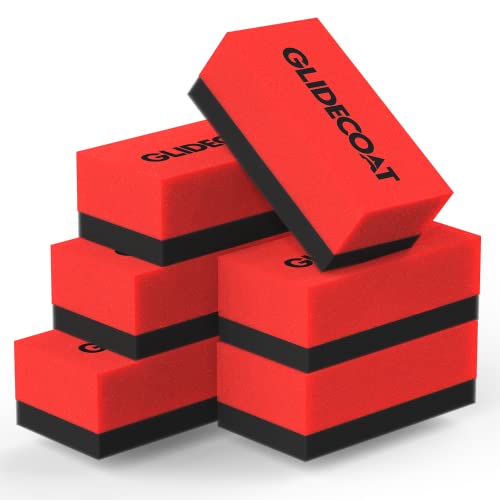
Best for: DIY vehicle coating projects
Glidecoat Ceramic Coating Applicator Sponges are designed for applying ceramic coatings to cars, boats, motorcycles, RVs, and similar surfaces. The pack includes six full-sized pads, giving you extras for larger jobs or separate coating products. Their low-absorption design aims to keep more coating on the paint instead of inside the sponge.
The pads use fortified fiber technology, which should hold up better than basic household sponges or towels. Their smooth surface is also intended to reduce the chance of scratches and uneven coverage. At around $20, the six-pack costs less than many specialty detailing supplies. Still, the product description does not list pad dimensions or the exact fiber material. That missing information makes it harder to judge how much surface each pad can cover. The applicators may help reduce waste, but results still depend on surface preparation, coating flash time, and wiping technique.
Pros
- Six pads provide spares for larger vehicles or multiple coating jobs.
- Low absorption can reduce coating waste during application.
- Fortified fibers are designed for repeated handling and smoother coverage.
Cons
- The listing does not state the pad dimensions or exact material blend.
- The pads do not replace proper paint cleaning, polishing, or leveling towels.
5. Chemical Guys HydroSlick Ceramic Coating Sealant

Best for: DIY owners wanting stronger water beading
Chemical Guys HydroSlick is an 8-ounce ceramic sealant for vehicle surfaces. Its SiO2-based formula adds a glossy finish while helping shield paint from dirt, weather, and road contaminants. Water should bead and roll away more readily, which can help reduce grime buildup and water spots between washes. Around $27, it costs more than many basic spray waxes but less than professional coating services.
The formula is designed for paint, glass, and plastic, so one bottle can cover cars, motorcycles, and boats. Two included applicators make it easier to work across larger panels or keep one for trim and glass. Still, the results depend heavily on preparation. The surface should be clean and free of old residue before application, and careful coverage matters. An 8-ounce bottle may also require more product for large vehicles or repeated coats. HydroSlick offers longer-lasting protection than ordinary wax, but it should not be treated as a permanent ceramic coating.
Pros
- SiO2-based formula helps create strong water beading.
- Works on paint, glass, and plastic surfaces.
- Two applicators support more even product coverage.
Cons
- An 8-ounce bottle may run short on large vehicles or multiple coats.
- Application requires thorough cleaning and careful panel-by-panel work.
4. WEST HORSE Ceramic Coating Applicator Kit

Best for: DIY detailers coating multiple vehicles
The WEST HORSE 18PCS Ceramic Coating Applicator Kit includes six grooved foam applicator blocks and 12 suede microfiber cloths. That gives you enough pieces for several smaller jobs or one full-vehicle coating session, depending on how much product each panel uses. The foam blocks are made for controlled spreading, while the soft suede cloths help remove excess coating from paint and other surfaces. At around $16, this kit costs less than buying applicators and removal towels separately.
The grooved shape gives your palm a steadier grip than a flat sponge, which can help around headlights, trim, and narrow body sections. The materials are intended for ceramic coatings, nano coatings, sealants, and waxes. They can also be used on paint, PPF, glass, wheels, and plastic trim. Still, the cloths and blocks are disposable after coating residue hardens. This is not a washable, long-term detailing set. Careful timing during removal also matters, since dried coating can become difficult to wipe away.
Pros
- Six foam blocks provide multiple applicators for separate panels or vehicles.
- Twelve suede microfiber cloths help remove excess coating with low lint.
- Grooved foam surfaces offer better hand control in tight areas.
Cons
- Applicators and cloths should not be reused after coating residue hardens.
- The kit does not include coating, gloves, or other surface-preparation supplies.
3. CERAKOTE Microfiber Applicator Pads

Best for: DIY ceramic coating applications
CERAKOTE’s Premium Microfiber Applicator Pads come in a three-pack for applying ceramic coatings, sealants, and similar products to vehicle surfaces. Each pad uses lint-free microfiber, with an interior plastic barrier that helps stop coatings from soaking through to your hand. That barrier can reduce wasted product and keep your fingers cleaner during longer jobs. The pads are sized for controlled handling, making them useful on both interior trim and exterior panels.
The main advantage is the balance between control and product savings. Microfiber spreads coating evenly, which can help reduce thick spots that are difficult to level. The material is designed to stay gentle on painted surfaces, plastic, and trim when the surface is properly cleaned first. These pads are also washable and reusable, so one three-pack can support more than one detailing session. Around $9, they cost less than many specialty coating tools. Still, the listing does not provide exact pad dimensions, so buyers cannot judge their coverage before ordering. Their compact format may also require more passes on large body panels.
Pros
- Three pads provide backups during a coating job.
- Plastic interiors help limit coating soak-through and waste.
- Washable microfiber can be reused for future applications.
Cons
- Exact pad dimensions are not listed, making fit and coverage harder to judge.
- Compact applicators may take longer to use across large panels.
2. RUNTELO Ceramic Applicator Set

Best for: DIY car ceramic coating
The RUNTELO set includes six ceramic applicator sponge blocks and 12 suede cloths, giving you 18 pieces for coating, waxing, or paint-protection work. Each block uses soft foam with a grooved grip that helps keep it steady in your hand. That design can make controlled, even passes easier than using a loose cloth alone.
The contact surface combines ultra-soft foam with absorbent suede microfiber. It is made for ceramic coatings, nano coatings, sealants, waxes, and other detailing products, so one kit can cover several jobs. After use, rinse the pieces with car shampoo and let them air-dry before storing them. At around $13, the set offers a low-cost supply of applicators for multiple detailing sessions. The main caution is cleanup. Do not reuse a block or cloth if coating residue has hardened, since the residue could scratch paint.
Pros
- Six grooved foam blocks provide a more secure grip during application.
- Twelve suede cloths offer fresh material for different products or vehicle areas.
- Works with coatings, waxes, sealants, and paint protection products.
Cons
- The listed features do not provide the applicator or cloth dimensions, so coverage per piece is unclear.
- Hardened coating residue makes pieces unsafe to reuse, which can reduce their lifespan.
1. The Rag Company Ultra No Soak Applicator Sponge
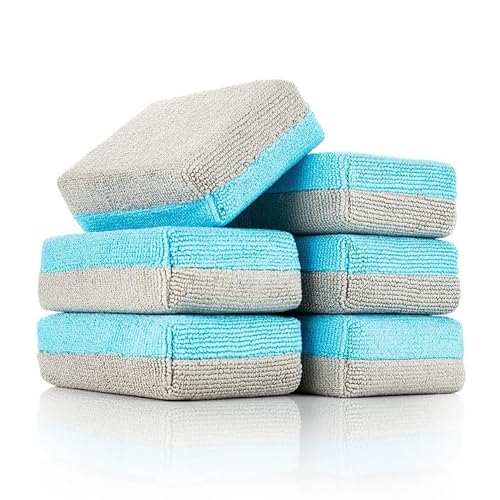
Best for: Tire shine and small-area coatings
The Rag Company Ultra No Soak Coating Applicator set includes six microfiber sponges, each measuring 3 by 5 inches. Ultra Blue and Ice Grey colors make it easier to separate pads by product or vehicle area. A barrier inside each pad helps keep liquid from passing through to your hand or soaking into the sponge. That design suits coatings, waxes, dressings, and other detailing treatments that need controlled coverage.
The exterior uses a 70/30 pearl-weave microfiber blend. It has enough texture for spreading tire shine, interior treatments, exterior products, and wheel care products. The compact shape will not cover a large panel quickly. The main advantage is product control. You can spread a coating across more surface area without repeatedly loading the applicator. At around $20 for six pads, this set offers useful variety for routine detailing. Still, these are applicators, not replacements for dedicated cleaning towels or brushes.
Pros
- Six pads support separate use on tires, wheels, paint, and interiors.
- The internal barrier helps reduce product waste and hand exposure.
- The 70/30 pearl-weave microfiber exterior spreads tire shine and coatings evenly.
Cons
- The 3-by-5-inch size can make large vehicle panels slow to cover.
- Six pads come in only two colors, so detailed color-coding by product is limited.
Buying Guide
The most important factor is a lint-free, coating-compatible surface. Ceramic coating flashes quickly, so loose fibers, dyes, or rough edges can mark the uncured layer.
- Material: Choose suede microfiber around 0.5 to 1.0 mm thick, or a dedicated coating cloth with no stitched edge. Avoid cotton and ordinary shop towels.
- Applicator shape: A 4-by-2-inch foam block fits most panels and keeps pressure even. Rounded corners help reduce edge lines near trim.
- Cloth size and count: For suede sheets, 4-by-4-inch or 10-by-10-inch pieces are common. Buy at least 10 pieces for one vehicle, since used cloths should not return to the paint.
- Absorption: Pick low-absorption foam or suede. Highly absorbent pads waste product and can make a 30 to 50 mL bottle cover fewer panels.
- Replacement cost: A practical pack often costs $8 to $20. Do not reuse an applicator after the coating hardens, because cured residue can scratch clear coat.
If you must compromise, prioritize lint-free material over shape, color, or pack size.
Frequently Asked Questions
How do I choose an applicator for ceramic coating?
Choose a suede microfiber applicator block for most ceramic coatings because it spreads a thin, even layer without scratching clean paint. Pick a block that feels firm, has sealed edges, and fits your hand. Keep at least two on hand, since one can become saturated during a full vehicle application.
What size applicator pad should I use for ceramic coating?
A pad around 10 by 10 centimeters works well for most sections because it offers control around trim, badges, and panel edges. Larger pads cover more paint but can waste product. For a large hood, use overlapping passes and inspect each area within the coating’s stated flash time.
Can I use a foam pad to apply ceramic coating?
Yes, you can use a clean, dense foam pad if the coating maker allows it and the pad has no fillers or rough seams. Apply three to five drops at a time, then replace or clean the pad when it becomes stiff. Some formulas require a suede-wrapped block instead.
Are microfiber towels better than applicator blocks for ceramic coatings?
Microfiber towels are better for leveling and buffing, while an applicator block usually gives more even coverage during the initial spread. Use a short-pile towel to remove residue, then switch to a clean towel after each panel. Prepare four to six towels for one vehicle to reduce cross-contamination.
Conclusion
The Rag Company Ultra No Soak Applicator Sponge is the top choice for car owners who want controlled product use, a firm grip, and less waste during ceramic coating work. If your priority is reaching tight curves or covering several panels quickly, choose a compact microfiber block or a multi-pack instead, since different shapes and extra pieces can make panel-by-panel application easier, especially around mirrors, trim, and body lines. Before buying, double-check the applicator’s size, its compatibility with your specific coating formula, the quantity included in the package, and the current price, because listings, bundle contents, and seller pricing can change without notice. That quick check helps match the tool to your vehicle and coating process.